

Multilingual Customer Support Without Hiring a Team
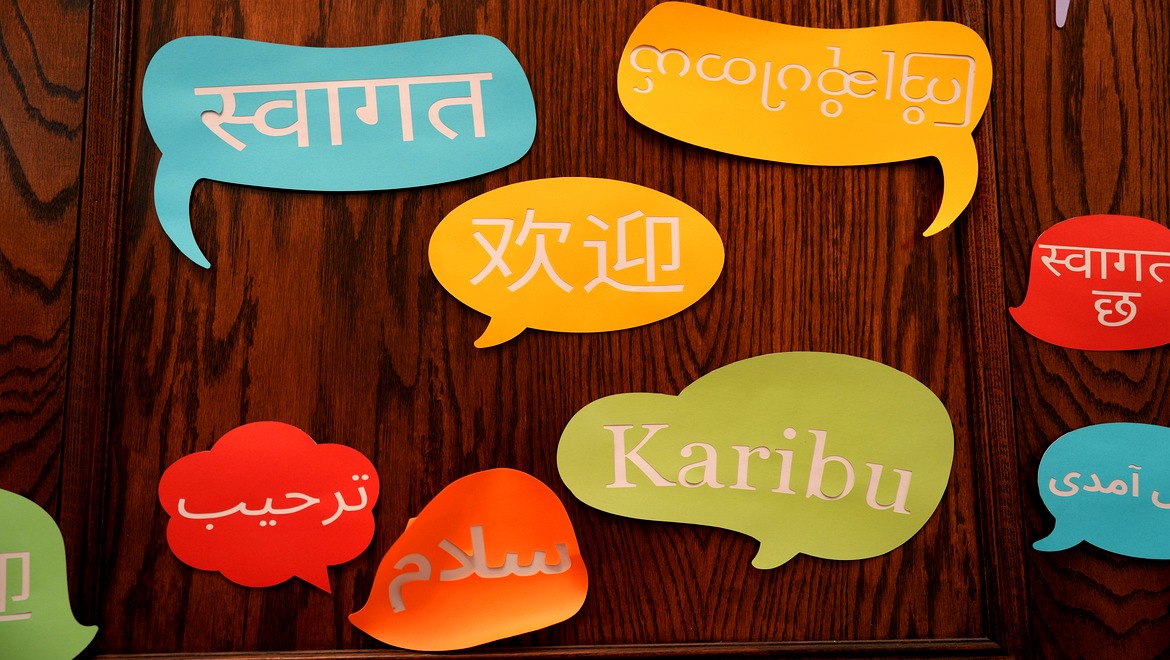
A business doing well in one market eventually looks at expanding into another. The first wall it hits usually isn't demand. It's language. Customers in a new market write in French, Arabic, Swahili, Spanish, whatever that market speaks. A business that's only ever replied in English suddenly has messages it can't answer without help.
The default move is to hire someone who speaks the language. That's a real option. It's also a bigger commitment than most businesses need just to find out if a market is worth entering.
The real cost of hiring for a new language
A bilingual hire isn't just a salary line. It comes with real friction:
- Training time. Someone new needs to learn the product, the tone, and the exact questions customers ask, in a language nobody else on the team can check.
- No oversight. If that one person writes something off-brand or factually wrong, nobody catches it until a customer does.
- A volume mismatch. Early in a new market, message volume is usually too low to justify a full hire and too high to leave unanswered. Fifteen messages a day won't fill a role, but it will pile up fast.
How AI translation handles multilingual customer support
The real question isn't if machine translation matches a native speaker. It's narrower: is it good enough for what most customer messages actually are?Most pre-sale conversations are structured and repetitive:
- Product questions
- Pricing
- Stock and availability
- Delivery timelines
That's exactly the kind of message AI handles well, and it's a much lower bar than the nuance that makes translation risky elsewhere. Fika's WhatsApp Agent replies to customers in whatever language they write in, translating both directions. You read and manage the conversation in the language you speak. The customer gets replies in theirs. It isn't limited to a handful of major languages, so you don't need to know in advance which language your next customer will use.
Where AI replies are enough, and where they aren't
AI handles this well:
- Product details and specs
- Pricing and availability questions
- Order status and delivery timing
- Repeat questions across many customers
Still send a human:
- A complaint that needs an apology with the right tone
- Negotiating a custom order
- Anything where getting the emotional register wrong costs more than getting a fact wrong
A quick way to decide what your business needs
- Pull the last month of messages from the new market, or estimate from an existing market before you had a bilingual hire.
- Check the mix: mostly product and order questions, or a real share of complaints and negotiations?
- Mostly routine questions: let AI handle the language from day one, no hire needed to start testing.
- Meaningful complaint or negotiation volume: budget for a person, even part-time, and let AI absorb the routine messages around them.
The mistake to avoid is waiting for budget for a full bilingual hire before testing if the market is worth it at all.
Multilingual WhatsApp support in practice
A business running WhatsApp sales through Fika in English starts getting interest from Morocco. Instead of pausing to figure out French, hiring someone, or writing canned replies by hand, the same WhatsApp Agent picks up the French conversation the way it already handles English, translating both directions automatically.
The business owner still works entirely in English. The customer gets replies in French. Nothing about the setup changes except the language on the other end. Expanding into a new market becomes a question of demand, not a question of if the overhead is worth it yet.
FAQ
Is AI translation accurate enough for customer service?
For structured, repetitive questions like pricing, availability, and delivery, yes. For emotionally sensitive or judgment-heavy conversations, a human speaker is still the safer choice.
Does this cover languages beyond the major ones?
Yes. It isn't limited to a fixed list, which matters most for markets where the local language isn't one of the usual global defaults.
When does it make sense to hire a bilingual person instead?
Once volume in that language includes a steady share of complaints or negotiations, rather than repeated product and order questions.